

IEA warns Iran war could unleash energy crisis surpassing 1970s oil shocks
US President Donald Trump had declared he would order the bombardment of Iran's power plants in case the Strait of Hormuz was not fully open to shipping.
The IEA warns that the Iran war could trigger a global energy crisis worse than the 1970s oil shocks, as massive supply disruptions and damage to key infrastructure threaten fuel security worldwide.
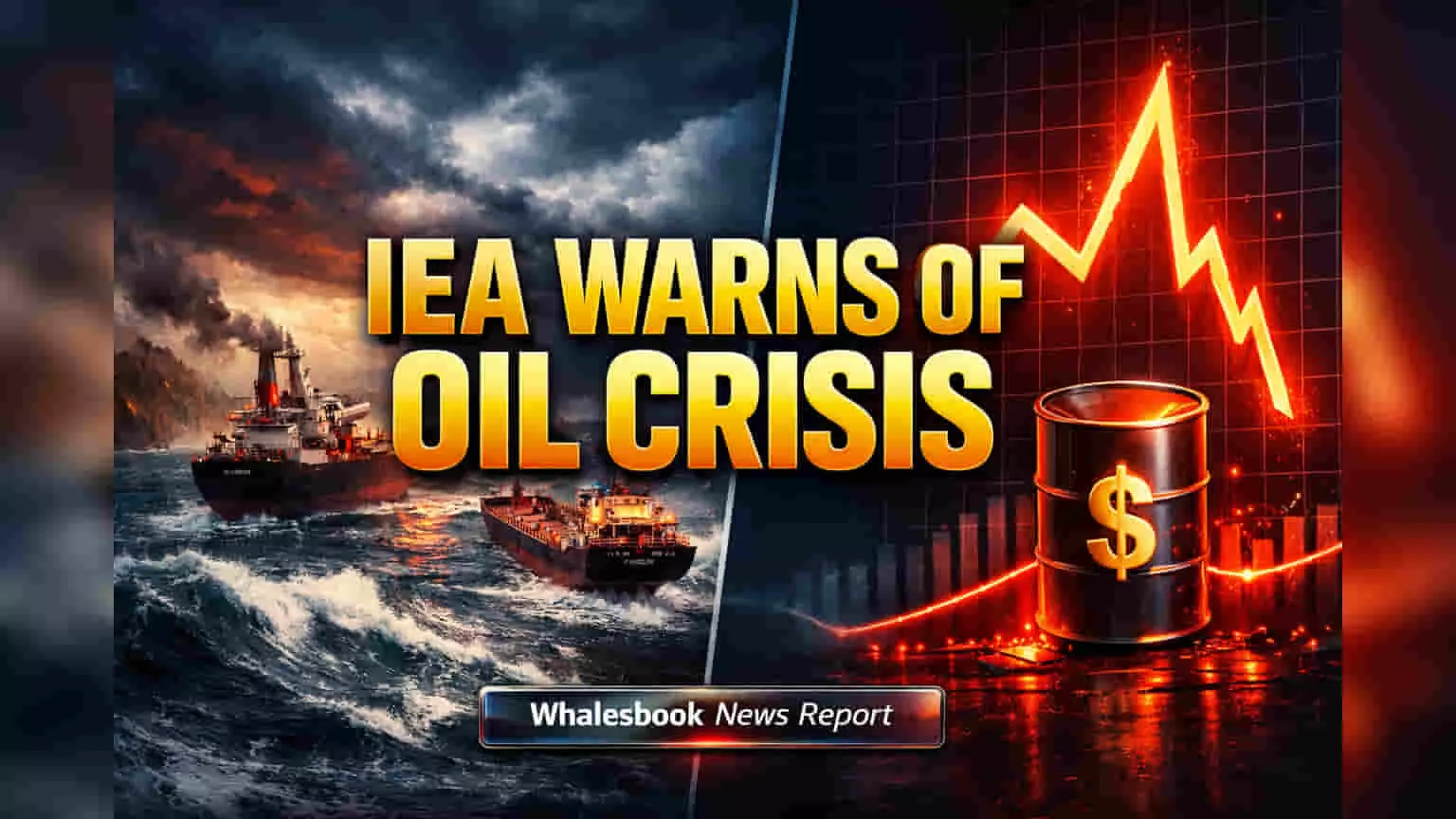
The IEA warned of the crisis and said on Monday that the energy crisis would be worse than the oil shocks in the 1970s. Iran has vowed revenge if US President Donald Trump works on his Saturday warning to attack its power plants if, within 48 hours, the Strait of Hormuz is not reopened completely.
According to the media reports on Monday, amid the escalating Middle East crisis 2026, Iran warned it would deploy sea mines across the Persian Gulf. It will deploy if its coasts or islands come under attack. The threat has heightened concerns about a foremost disruption to global oil supply routes, and oil prices have surged above $100.
The number of people reported killed in Iran and Lebanon at the beginning of the conflict is now in the thousands. Attacks all over the area continued Monday morning, with Iranian state media reporting strikes in Tehran. Saudi Arabia claimed it intercepted two ballistic missiles heading toward the capital, Riyadh.
According to the Fars news agency, Iran’s defence council threatened to put down sea mines to block the whole Gulf if Iran’s coasts or islands are attacked. Energy crunch could be worse than the 1970s oil crisis.
The statement said, “Any attempt by the enemy to attack Iranian coasts or islands will naturally, and in accordance with common military practice, cause all access routes and communication lines in the Persian Gulf and the coasts to be mined with various types of naval mines, including floating mines that can be released from the coasts”.
Analysts warn that any expanded disruption in the Strait of Hormuz, a significant oil transit chokepoint. It could send crude prices soaring worldwide, triggering inflation and supply shortages. It can results into the severe economic effects for both developed and emerging economies.





